What Could Be the Symptoms of High Anion Gap Acidosis?
What Is Considered High Anion Gap Acidosis?
High anion gap acidosis can be a form of metabolic acidosis in which the body has excess acid or too few buffers, causing a fall in blood pH. The critical clue is an elevated anion gap, which reflects an electrolyte imbalance on blood testing. In plain language, the acid-base balance has been altered, and the bloodstream is carrying additional unmeasured acids.
The anion gap is calculated from serum sodium, serum chloride, and serum bicarbonate. Because bicarbonate is consumed as acids accumulate, a low bicarbonate level often points to acid buildup. A clinician may also assess overall electrolytes and other laboratory values to see whether the problem is mild, medium, or advanced.
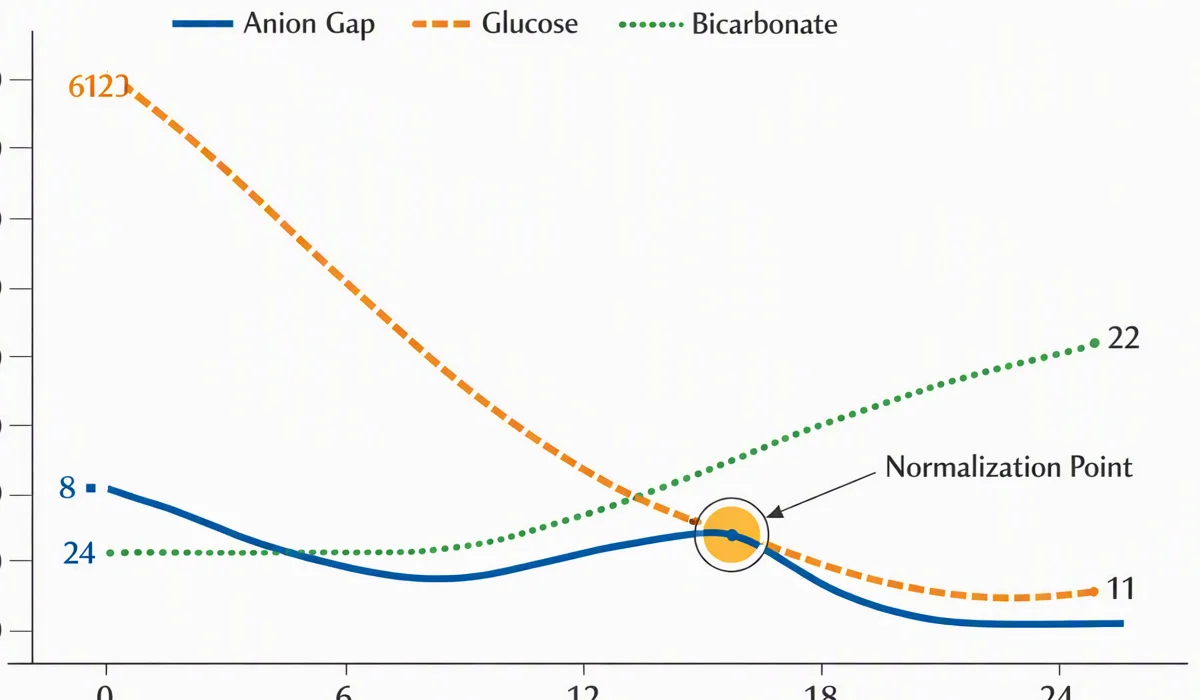
High anion gap metabolic acidosis is never a diagnosis by itself. It is a laboratory pattern that helps find the underlying cause. That cause may be temporary, such as dehydration with lactic acid buildup, or it may be critical, such as toxic ingestion. This is why the lab pattern must be evaluated alongside clinical symptoms, the patient’s history, and the broader diagnostic workup.
An anion gap calculator can help approximate whether the gap is elevated, but it does not replace medical evaluation. It is most useful as a quick screening tool to support anion gap calculation and to help a clinician or patient understand why symptoms such as fatigue, queasiness, or increased breathing may be happening.
What Symptoms Does High Anion Gap Acidosis Trigger?
The manifestations often begin nonspecifically, then turn more obvious as acid levels increase. Typical early signs include tiredness, weakness, queasiness, and vomiting. Some people also notice stomach pain, drowsiness, or a vague sense that something is wrong. These changes happen because metabolic derangement affects muscles, the brain, and the digestive system.
One of the classic signs is fast breathing. This is the body’s attempt at compensatory breathing, where breathing becomes deeper or faster to lower carbon dioxide and partially offset the falling pH. In severe cases, the breathing pattern may look like Kussmaul breathing, which is profound, strained, and unusually quick. This breathing pattern is a major clue that the body is struggling with acid buildup.
Confusion is another important symptom. As acidosis worsens, people may develop mental status changes, including poor concentration, slowed thinking, agitation, or impaired awareness. In advanced cases, the person may seem disoriented, sleepy, or hard to wake. These symptoms should never be ignored, especially when they occur with breathing changes or vomiting.
Because the symptoms are broad, high anion gap acidosis can be mistaken for a viral illness, exhaustion, or a stomach problem at first. The combination of exhaustion, queasiness, vomiting, and mental fog is more concerning when it is paired with dehydration, poor intake, or a known medical condition that affects acid-base balance.
What Leads to a High Anion Gap?
A number of conditions can lead to a high anion gap. One major cause is lactic acidosis, which develops when lactic acid builds up faster than the body can clear it. This may occur with poor oxygen delivery, heavy exertion, infection, convulsions, or other severe illness. Lactic acidosis is a frequent cause of acid buildup and often appears with low energy, increased breathing rate, and symptoms of overall illness.
Ketoacidosis is another major category. In diabetic ketoacidosis, the body fails to use glucose properly and starts to break down fat for fuel, producing acidic ketones. Ketoacidosis can also occur with prolonged fasting, alcohol use, or very low carbohydrate intake. Symptoms often include queasiness, retching, stomach pain, dehydration, and increased breathing rate.
Kidney failure, also known as renal failure, can result in acids to collect because the kidneys can no longer eliminate them properly. When the kidneys lose this ability, the blood becomes more acidic, and the anion gap may increase. This cause may develop slowly or suddenly, depending on the underlying kidney problem.
One more important type is toxic intake. Intoxication from ethylene glycol, methanol, or different materials can create a dangerous high anion gap. Salicylate poisoning can also disturb the acid-base balance and create a mixed clinical picture that needs urgent assessment. These toxic causes are especially risky because they may worsen fast and become life-threatening before the source is identified.
In practice, the reason is not determined by the Anion Gap Calculator alone. A doctor examines the combination of clinical symptoms, exposure background, and lab results to limit the list of possible diagnoses and identify the appropriate treatment.
How Do You Diagnose High Anion Gap Metabolic Acidosis Identified?
The first test is usually a basic metabolic panel, which evaluates serum electrolytes including sodium, chloride, and bicarbonate. From those results, a clinician can assess the anion gap calculator result or manually calculate the gap. This helps identify whether the lab pattern fits high anion gap metabolic acidosis.
An arterial blood gas is often ordered next to measure blood pH and determine the severity of the acidosis. This helps indicate whether the body is compensating and how much the acid-base balance has shifted. Together, the basic metabolic panel and arterial blood gas provide a clearer picture than either test alone.
Doctors also review the broader serum chemistry and other lab values to find the underlying cause. For instance, elevated lactate can support lactic acidosis, while positive ketones suggest ketoacidosis. The pattern of electrolytes may also offer clues about dehydration, renal failure, or toxic exposure.
The anion gap itself is not the end point; it is a signal to investigate further. A proper diagnostic workup can include glucose, kidney tests, lactate, ketones, toxicology testing, and imaging if needed. That is why clinicians do not rely on the calculator alone. They use it to connect symptoms with a specific medical explanation.
When Do Signs a Medical Emergency?
Severe anion gap acidosis becomes an emergency when symptoms show that the body can no longer effectively compensate. Warning signs include altered mental status, intense shortness of breath, persistent vomiting, marked weakness, or a shift in breathing pattern that looks like Kussmaul breathing. These symptoms can signal severe acidosis.
Critical shock is especially worrisome alarming. If blood pressure drops or the person becomes cold, ashen, frail, or increasingly confused, the situation may be deteriorating fast. This shock can develop when the underlying illness is affecting severely the body, such as in bloodstream infection, pronounced dehydration, toxin exposure, or severe renal failure.
Serious acidosis is risky because it impacts the cardiac system, brain, and other organs. The deeper the acid-base disturbance, the greater the risk of serious complications. A person with fast breathing, mental fog, and volume depletion should be considered for prompt evaluation without delay.
If symptoms are sudden, intense, or paired with breathing difficulty, mental changes, or possible poisoning, seek prompt evaluation immediately.
In many cases, the symptoms are the true early clue long before the full diagnosis is confirmed. That is why a high anion gap should never be dismissed when the patient appears unwell.
How Is the Underlying Cause Treated?
Therapy targets the underlying cause not just the anion gap number itself. If dehydration or poor circulation is playing a role, IV fluids may be given to restore perfusion and help https://anion-gap-reference850.image-perth.org/what-is-considered-the-anion-gap-in-respiratory-alkalosis the body eliminate acids. This is particularly important when lactic acidosis is related to shock or poor tissue oxygen delivery.
In diabetic ketoacidosis, insulin is central to treatment because it stops ketone production and helps the body process glucose normally. Fluids and electrolyte replacement are also important because dehydration and electrolyte imbalance are common. As treatment works, the anion gap and serum bicarbonate usually recover.
When kidney function is severely impaired, dialysis may be needed to remove acid and toxins that the kidneys can no longer eliminate. This is a critical therapy in severe renal failure and in some toxic ingestion cases.
Bicarbonate therapy may be considered in specific circumstances, especially if the acidosis is severe or causing instability. However, this treatment is not used for every patient, because the underlying cause still must be addressed. The decision depends on the clinical picture, lab values, and how well the patient is compensating.
In toxic alcohol ingestion, antidotal therapy and specialized care may be needed in addition to dialysis. Because these conditions can worsen quickly, treatment is often started before all test results are back if the suspicion is high.
What Should You Inquire About Your Doctor?
As you review your results, seek the complete picture rather than a one result. Questions to ask include: What are my lab results show overall? Is my anion gap higher than the anion gap reference range? What do bicarbonate and pH suggest regarding the severity of the acidosis?
It may also be useful to ask whether the clinician checked serum lactate and ketones. These tests can help tell apart lactic acidosis from ketoacidosis and other causes. If diabetes is a factor, ask whether the pattern fits diabetic ketoacidosis or another form of metabolic acidosis.
Inquire what the suspected root reason is and whether the pattern matches kidney failure, toxic alcohol ingestion, or salicylate poisoning. Confirming the diagnosis can help you understand why the symptoms are happening and what treatment is being considered.
When you have used an anion gap calculator at home, carry the results with you, but rely on the clinician’s assessment. It is useful for basic understanding, yet the meaning depends on the entire diagnostic assessment and the rest of the serum chemistry.
FAQ: High Anion Gap Acidosis Symptoms
Which are the first symptoms of high anion gap acidosis?
The initial symptoms are often nonspecific and may include exhaustion, nausea, being sick, decreased energy, and sometimes abdominal pain. As the condition progresses, rapid breathing or unusual breathing patterns may appear. These early clinical symptoms can be easy to miss, which is why blood testing matters.
Can high anion gap acidosis cause confusion or sleepiness?
Absolutely. Mental fog, sleepiness, and impaired mental state can happen when acidosis becomes more pronounced. These mental status changes indicate the brain is being influenced by the metabolic imbalance and should require urgent evaluation.
What conditions most commonly lead to a elevated anion gap?
Frequent causes include lactic acidosis, ketoacidosis, diabetic ketoacidosis, kidney failure, renal failure, and toxic alcohol ingestion such as ethylene glycol or methanol. Salicylate poisoning is a further notable cause to evaluate.
How do doctors diagnose high anion gap acidosis?
Physicians typically begin with a basic metabolic panel and review serum sodium, serum chloride, and serum bicarbonate to determine the anion gap. They then use an arterial blood gas, other electrolytes, and studies such as lactate or ketones to determine the cause and assess severity.
When should high anion gap acidosis be treated as an emergency?
It should be treated as an emergency if there is shortness of breath, altered mental status, significant weakness, persistent vomiting, shock, or signs of severe acidosis. Suspected poisoning or rapidly worsening symptoms also warrant immediate medical attention.