How to Compute Anion Gap in mmol/L
Understanding the Anion Gap?
The anion gap is a computed value that enables clinicians interpret serum electrolytes and evaluate acid-base status. It contrasts the concentration of observed positive ions and negative ions in the blood, creating a helpful difference that can point to an electrolyte imbalance or a problem such as metabolic acidosis.
In clinical terms, the anion gap is part of a routine serum chemistry or electrolyte panel. It is not actually measured by the laboratory; instead, it is derived from values already reported on common blood tests. Because of that, an anion gap calculator can be a practical tool for a quick, accurate assessment of a lab result.
Doctors use the anion gap as a diagnostic and screening clue. A normal result does not rule out every problem, but an abnormal result can support a more focused clinical assessment. For example, a high anion gap may indicate unmeasured acids in the blood, while a low anion gap can point to less common causes such as low protein levels or lab variation.
The main value of the anion gap is that it aids interpret whether a patient’s measurement pattern fits certain acid-base disorders. When used correctly, it offers a fast and practical way to support bedside decision-making.
Anion Gap Formula in mmol/L
The usual anion gap formula in mmol/L is:
Anion gap = sodium - (chloride + bicarbonate)
This calculation uses three common lab values: sodium, chloride, and bicarbonate. These are usually reported as values in mmol/L, so the final anion gap result is also expressed in mmol/L.
Here is how the formula functions step-by-step:
- Enter the sodium value from the lab report.
- Combine the chloride and bicarbonate values together.
- Subtract that total from sodium.
For example, if sodium is 140 mmol/L, chloride is 102 mmol/L, and bicarbonate is 24 mmol/L:
140 - (102 + 24) = 140 - 126 = 14 mmol/L
That result would typically be in a usual reference range, depending on the laboratory’s technique and reporting standards. The exact range can vary somewhat from one lab to another, so it is important to compare the number with the specific lab’s stated values.
Some formulas also include potassium, but the most common clinical calculation uses only sodium, chloride, and bicarbonate. For everyday use, that simpler version is what most anion gap calculator tools are built around.
If you want to calculate the anion gap by hand, think of it as a subtraction problem that reflects the relationship between measured cations and measured anions in the blood. This is why the calculation is such a useful part of laboratory interpretation.
Using an Anion Gap Calculator
An anion gap calculator streamlines the task by working out the math on your behalf. The key is entering the correct input values from the lab results exactly as reported.
Apply these calculation steps:
- Find the sodium value on the electrolyte panel.
- Identify the chloride value on the same report.
- Locate the bicarbonate value, sometimes listed as CO2 or total CO2.
- Type each number into the calculator in mmol/L.
- Inspect the calculated anion gap and check it against the reference range.
The calculator is very useful when you need a fast step-by-step check during a clinical assessment. It reduces the chance of simple math mistakes and helps standardize the way you interpret the numbers.
This is a simple example:
- Sodium: 138 mmol/L
- Chloride: 100 mmol/L
- Bicarbonate: 22 mmol/L
Calculation: 138 - (100 + 22) = 16 mmol/L
That would usually be read as a mild elevation if the lab’s reference range is lower. The calculator does not replace medical judgment, but it is a useful tool for making the laboratory data easier to understand.
When using an anion gap calculator, always confirm that the values are from the same sample and the same serum chemistry panel. Mixed sources can lead to confusing results, especially when monitoring an evolving illness or electrolyte shift.
Typical Anion Gap Range and Assessment
The normal range for anion gap depends on the testing method and whether potassium is included in the formula. Many current labs use a small reference range, often somewhere around 3 to 12 mmol/L or similar. Certain labs may report a different interval, so the report itself should guide the final interpretation.
A within-range anion gap usually suggests that measured electrolytes are in balance in a way that does not strongly indicate accumulation of unmeasured acids. However, a normal value does not always mean the patient has no problem. The number must be interpreted in the context of symptoms, history, and the rest of the blood chemistry.
A elevated anion gap often suggests extra acids in the blood, which is why it is commonly associated with metabolic acidosis. A reduced anion gap is less common and may reflect low albumin, lab variation, or other uncommon factors that affect the measured charge balance.
Practical interpretation:
- Normal anion gap: Usually points to a balanced electrolyte pattern or a non-gap acid-base disorder.
- Elevated anion gap: May show unmeasured acids may be present.
- Reduced anion gap: May reflect low protein levels, analytical issues, or unusual electrolyte patterns.
Because lab methods vary, it is best to use the exact range printed by the laboratory. That range is the most reliable measurement standard for the specific analyzer and reporting system.
Frequent Causes of Abnormal Anion Gap
Unusual anion gap findings often give an important clue during clinical evaluation. A high anion gap often indicates conditions that generate additional acids, while a low anion gap may indicate altered proteins or unexpected lab findings.
Frequent causes of a high anion gap include:
- Lactic acidosis, where lactate builds up due to poor oxygen delivery, shock, or other stress states.
- Ketoacidosis, including diabetic ketoacidosis and other states of ketone overproduction.
- Renal failure, when acid excretion is impaired and acids accumulate.
These conditions can cause metabolic acidosis because the blood becomes more acidotic than normal. In such cases, the anion gap helps determine whether the acidosis is likely driven by unmeasured anions.
Frequent causes of a low anion gap include:
- Hypoalbuminemia, since albumin is a major unmeasured anion in the blood.
- Measurement or laboratory variation.
- Rarer abnormalities in positively charged proteins or ions.
Although a low value is often less urgent than a high one, it still warrants review. A repeated abnormal result may point to a real underlying issue rather than a random lab fluctuation. The overall pattern of the electrolyte panel and other clinical findings matters more than the number alone.
When to Correct the Anion Gap for Albumin
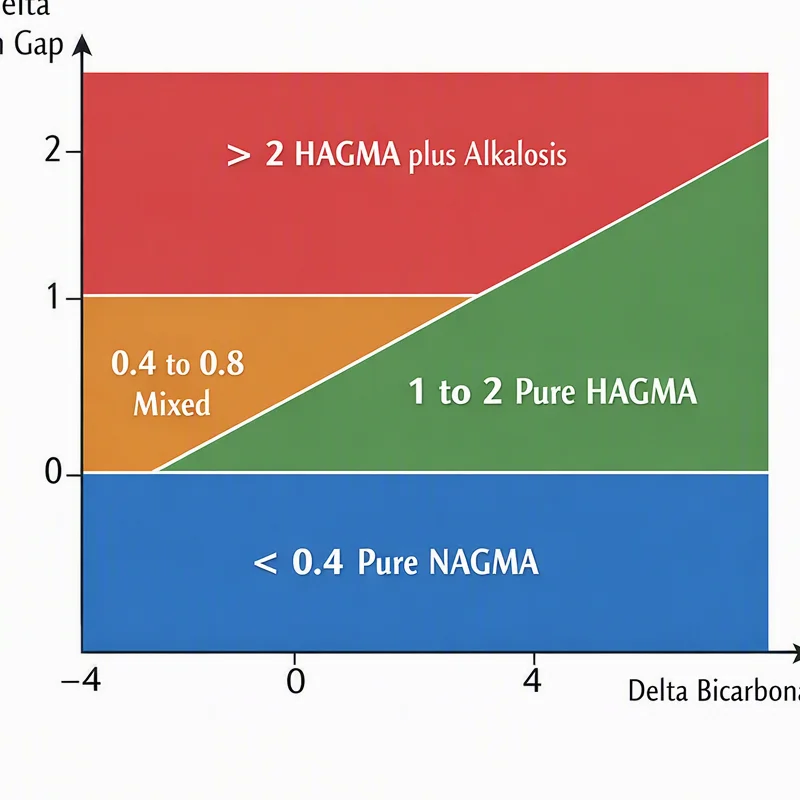
Albumin correction is important because albumin is a key negatively charged protein in blood. When serum albumin is decreased, the measured anion gap can appear artificially low or not as elevated than expected. In those cases, the uncorrected number may underestimate the true acid burden.
For this reason clinicians may calculate a corrected anion gap when hypoalbuminemia is present. The correction helps improve interpretation and gives a better view of the acid-base picture.
A common approach is to use a correction factor based on how far albumin is below normal. Different institutions may use somewhat different methods, but the principle is the same: lower albumin means a lower baseline anion gap, so the measured value may need adjustment.
When is correction worth considering?
- When albumin is noticeably below the lab’s normal range.
- When metabolic acidosis is suspected but the anion gap seems normal despite concern.
- When a patient has serious illness, malnutrition, liver disease, or fluid shifts that may affect albumin.
Why this matters: without albumin correction, a patient with true high anion gap metabolic acidosis may appear less severe than they really are. The corrected anion gap can therefore increase diagnostic accuracy and guide treatment decisions.
For a practical guide, always review albumin alongside sodium, chloride, and bicarbonate. If albumin is low, correction should be part of the overall assessment, especially when the laboratory pattern and the clinical picture do not align.
Common Questions
How do you calculate anion gap in mmol/L?
Use the standard anion gap formula: subtract chloride and bicarbonate from sodium. In mmol/L, the calculation is anion gap = sodium - (chloride + bicarbonate). For example, if sodium is 140, chloride is 102, and bicarbonate is 24, the anion gap is 14 mmol/L.
What is the normal anion gap range in mmol/L?
The exact normal range depends on the laboratory and its method, so always check the printed reference range on the electrolyte panel. Many labs use a range roughly around 3 to 12 mmol/L or a similar interval. The lab-specific range is the best standard for interpretation.
Why do sodium, chloride, and bicarbonate determine the anion gap?
Sodium, chloride, and bicarbonate are the main routinely measured ions used in the calculation. The anion gap reflects the difference between the major measured cation and the major measured anions. That makes it a useful way to assess serum electrolytes and identify possible electrolyte imbalance or metabolic acidosis.
When is it appropriate the anion gap be corrected for albumin?
Consider albumin correction when serum albumin is low, especially if the measured gap seems normal despite concern for acidosis. Low albumin can mask a true high anion gap, so a corrected anion gap gives a more accurate picture in many cases of hypoalbuminemia.
What does a high anion gap mean?
A high anion gap often means there are extra unmeasured acids in the blood. Common causes include lactic acidosis, https://anion-gap-formula266.raidersfanteamshop.com/how-to-assess-anion-gap-acidosis-with-an-anion-gap-calculator-1 ketoacidosis, and renal failure. It is an important clue in the evaluation of metabolic acidosis and should be interpreted with the rest of the serum chemistry and clinical findings.